The Impact of Social Media on Art Discovery and Sales
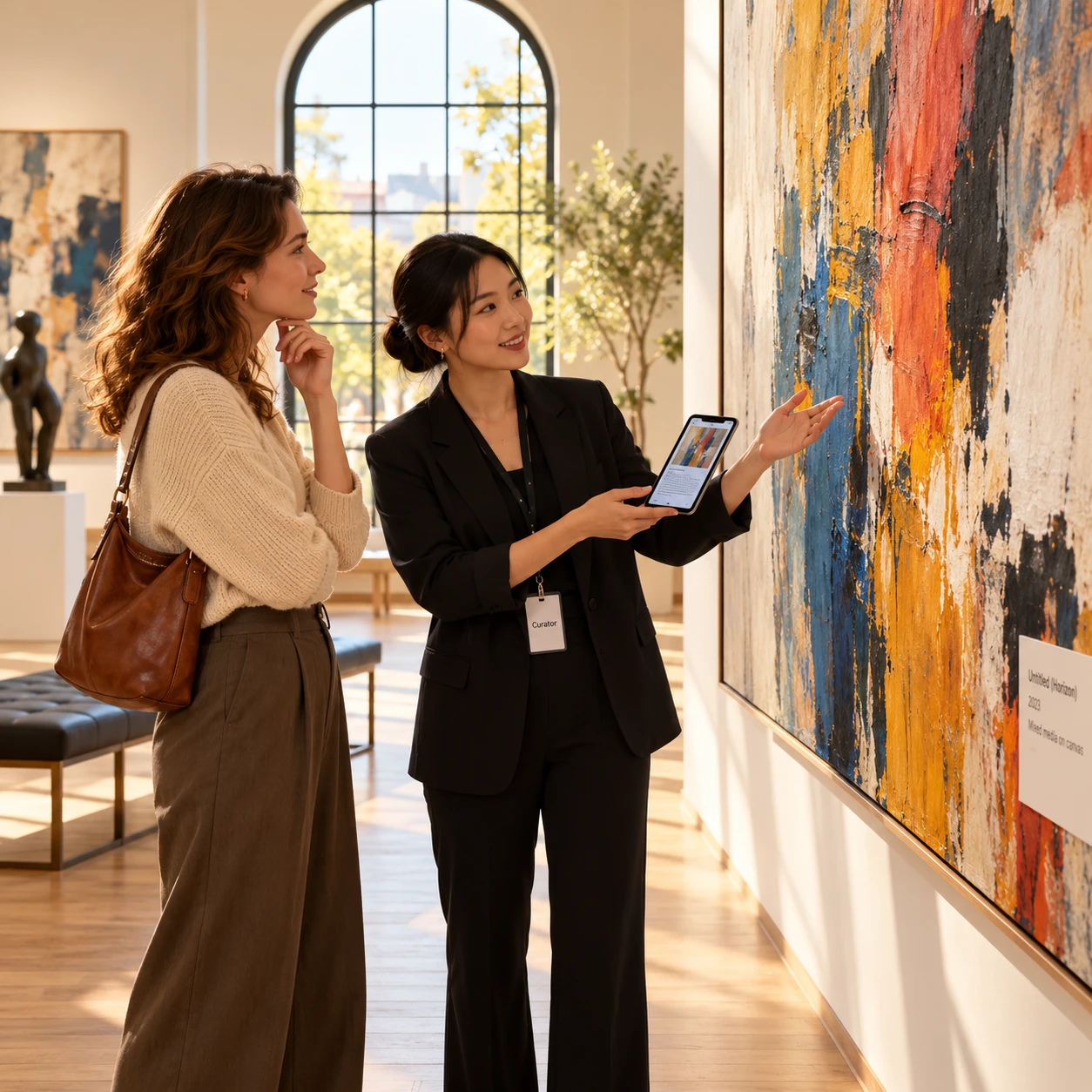
Social media has changed how people encounter art. A painting once seen only in a gallery or a printed catalogue can now appear in a visual feed, reach viewers across the world, and prompt a conversation with the artist or gallery. Yet visibility alone does not guarantee a sale. The strongest results come when an engaging image leads to useful context, buyer confidence, and a clear next step.
How Social Media Changes the Way People Discover Art
Social media helps people discover art by placing images in visual feeds where recommendations, searches, and sharing can connect artworks with audiences beyond a gallery’s existing visitors. These platforms make discovery more frequent and less dependent on someone already knowing an artist’s name.
A person might find a new artist through an Instagram post, a TikTok studio tour, a Pinterest collection, or a friend sharing a gallery exhibition. Platform recommendations can introduce work based on what viewers watch, save, search for, and engage with. Hashtags and location tags can also help people find artists, styles, exhibitions, and nearby art galleries.
This broader reach changes the path into the art world. Someone curious about ceramics, for example, may follow a maker, discover a gallery representing them, and then explore related artists. **Visual storytelling** helps that process: a close-up of brushwork, a short clip of a sculpture in progress, or an installation view can offer a first impression that a list of names cannot.
Discovery is still shaped by platform algorithms and audience habits. A post may reach many people who enjoy looking but have no intention of buying. For artists and galleries, useful engagement includes more than likes: saves, thoughtful comments, profile visits, and questions about the work can signal sustained interest.
The Role of Galleries and Artists on Social Platforms
Artists and galleries use social platforms to show artwork, explain its context, and build relationships with people who may not yet know their work. Artists can offer a view into their process, while galleries can connect individual pieces to exhibitions, artistic practice, and opportunities to see the work in person.
For an artist, a consistent online presence can make a portfolio easier to explore. Studio photographs, finished works, process videos, and brief reflections help audiences understand how a piece came together. The aim is not to turn every post into a sales pitch; sharing materials, influences, and decisions gives viewers reasons to spend time with the work.
Galleries add a different kind of value. They can introduce artists to new audiences, present work within an exhibition, answer questions, and provide guidance on acquisition. A gallery post can show a piece on its own, then place it in a room view or pair it with a short curator’s note. That combination helps viewers understand scale, atmosphere, and the idea behind the work.
Each platform has its own strengths. Image-led platforms suit portfolios and installation views; short-form video can show movement, process, or a walkthrough; professional networks may support institutional connections and art-world news. Galleries should choose platforms that match their audience and staff capacity, rather than trying to post everywhere. **Consistency and substance matter more than sheer volume.**
From Online Engagement to Art Sales
Social media can lead to art sales or gallery visits when it gives interested viewers an easy way to ask questions, learn about a work, and take the next step. A follow or like may begin the relationship, but clear information and responsive communication help move it forward.
A practical path often looks like this: a viewer sees a work, saves or shares the post, visits the gallery profile, reads about the artist, and then sends an inquiry or checks exhibition details. A direct link to an artwork page, exhibition listing, or contact form reduces friction. If the gallery sells online, it should make the purchase process and delivery information easy to find.
Prompt, personal replies matter. If someone asks whether a painting is available, the gallery can confirm its status and share dimensions, price, framing details, and viewing options. A collector may want to see the work in person before deciding; offering an appointment or directing them to an exhibition can turn digital interest into a gallery visit.
Not every conversation ends in a purchase, and that is normal. Some people are researching, comparing, or building familiarity with an artist for a future acquisition. Galleries can support that longer journey by keeping exhibition information current and inviting viewers to subscribe to updates or follow future shows without pressuring them.
Building Trust Around Art Online
Trust in online art sales grows when a post or listing gives buyers accurate details about the artwork, the artist, its availability, and how to see or acquire it. High-quality images attract attention, but practical information helps a collector judge whether to take the next step.
A useful artwork post or product page should include:
- Artwork details: title, artist, medium, dimensions, date, and edition information where relevant.
- Availability and price: state whether the work is available and how to request the price if it is not published.
- Context: a concise note about the artist’s practice, the work’s materials, or its place in an exhibition.
- Viewing and purchase options: explain how to arrange a gallery visit, request additional images, or enquire about shipping and payment.
Provenance and documentation matter, especially for significant works or works with a prior ownership history. Galleries should share relevant records accurately and avoid making claims they cannot substantiate. A collector may also need to understand the difference between an original artwork, a limited edition, and an open edition.
Images should represent the work honestly. Include a straight-on view, details that show texture or technique, and, when useful, an installation image that communicates scale. Screen color can differ from the work in person, so galleries should say when a viewing is available. **Transparency builds confidence; it does not remove the value of seeing art firsthand.**
Opportunities and Limitations of Social Media
Social media offers artists and galleries wider reach, direct audience engagement, and a low-friction way to share exhibitions, but it cannot guarantee sales or fully reproduce the experience of viewing art in person. Its value depends on how well online attention connects to meaningful information and real opportunities to engage.
The opportunities are clear: a gallery can introduce an emerging artist to people outside its local area, share an exhibition as it opens, and hear questions directly from viewers. Artists can communicate their process in their own words and maintain contact with collectors between shows. For audiences, social platforms make it easier to encounter different media, perspectives, and art communities.
There are limits. Feeds are crowded, platform rules and recommendation systems change, and a gallery can spend substantial time creating content without seeing a direct return. A large audience does not necessarily represent likely buyers. Relying on one platform also creates risk: an account change, reduced reach, or platform shutdown can disrupt access to followers.
Most importantly, a screen flattens physical experience. It cannot reliably convey the exact color, texture, dimensions, or presence of an artwork in a room. Social media works best as a doorway: it can spark interest and support research, while gallery visits, detailed conversations, and careful documentation help people make informed decisions.
Practical Ways to Support Art Discovery and Sales
Galleries can support art discovery and sales by presenting artwork clearly, providing useful context, and making it simple for interested viewers to visit, enquire, or buy. A small, dependable publishing routine is often more useful than an ambitious schedule that cannot be maintained.
Before publishing, use this simple **See, Understand, Act** check: can a viewer see the artwork clearly, understand why it matters, and tell what to do next? If one part is missing, improve the post or link before sharing it.
- Lead with the artwork. Use a clear image or short video, and avoid cropping out details that help viewers understand the piece.
- Add the essential facts. Name the artist and work, list medium and dimensions, and identify the exhibition or availability status.
- Share a human point of view. Include a short artist comment, curator observation, or studio detail rather than relying on generic promotional language.
- Offer one clear next step. Invite viewers to visit, see the exhibition dates, view the full artwork details, or contact the gallery.
- Make access practical. Include location information, opening hours, appointment details, and a reliable way to ask about price or shipping.
- Review useful signals. Look beyond likes to saves, meaningful questions, link visits, event responses, and gallery enquiries. Use these observations to refine future posts.
Avoid posting an image without enough information to identify or ask about the work. Also avoid treating every interaction as a lead; audiences need room to explore without pressure. When a post attracts genuine questions, answer with specific details and keep the conversation open. That is how social media can support an art gallery’s deeper role: helping people discover art, understand it, and decide whether they want to live with it.