The Intersection of Technology and Fine Art: NFTs and Beyond
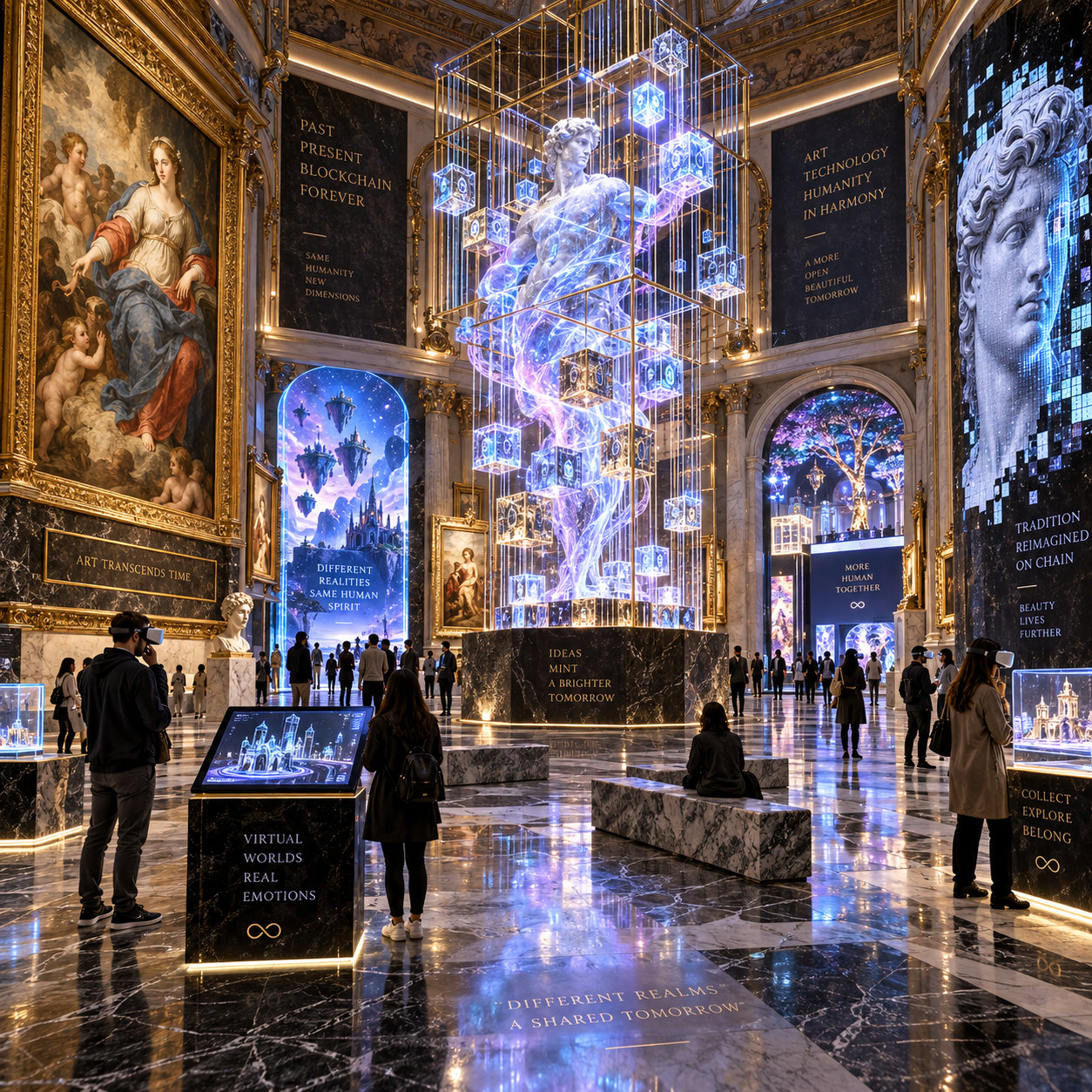
Technology has become part of the fine-art conversation without replacing the human decisions that give art meaning. Artists use digital tools to create, galleries experiment with new exhibition formats, and collectors encounter works that may exist as physical objects, code, immersive environments, or combinations of all three.
NFTs brought unusual attention to digital art by connecting a file or creative work to a blockchain-based record. Yet the larger story is broader than any single market trend. It concerns how art is made, authenticated, displayed, preserved, and understood.
How Technology Is Reshaping Fine Art
Technology is reshaping fine art by expanding artistic tools, exhibition spaces, and ways for audiences to encounter and document creative work. Digital imaging, generative software, projection, sensors, online platforms, and virtual reality now sit alongside paint, bronze, photography, ceramics, and printmaking.
For artists, technology can change the studio itself. A painter may use digital sketches to test composition before touching canvas. A sculptor can model an object in three dimensions, while a new-media artist may build a work from code, sound, light, or audience interaction. These tools influence the work, but they do not determine its artistic value. Intent, context, craft, and curatorial judgment remain central.
Art galleries are also widening their presentation methods. A physical exhibition might include a projection mapped onto architecture, an interactive installation, or a digital companion that gives visitors access to process material. Online viewing rooms allow collectors to study works beyond the gallery’s local audience, although a screen cannot reproduce every quality of scale, surface, or atmosphere.
This shift creates a useful framework: consider the work, record, and experience. The work is the artistic object or event. The record concerns ownership, provenance, and documentation. The experience is how a viewer encounters it. Technology can strengthen one layer while leaving another unresolved.
NFTs and the Rise of Digital Art Ownership
An NFT, or non-fungible token, is a unique blockchain record associated with a digital item, artwork, or claim. It can help identify a particular edition or transaction, but owning an NFT does not automatically mean owning copyright, commercial rights, or every file connected with the artwork.
In fine art, an NFT may point to a digital image, animation, video, audio work, generative artwork, or interactive environment. The blockchain records transactions through a public ledger, creating a visible history that can support provenance. The token itself is separate from the artwork’s cultural meaning and from the storage system that delivers the media.
That distinction matters. A collector should ask what is actually being transferred: a token, a licensed copy, access to an experience, copyright, or a combination defined by written terms. Some files are stored directly on decentralized systems; others rely on external servers or links. If those services change, the viewing experience may also change.
NFTs can offer digital artists a clearer way to present editions and establish a chain of transactions. They can also make collecting more accessible to people who are comfortable with online wallets and digital platforms. However, the technology introduces a learning curve, transaction costs, security responsibilities, and market volatility. An NFT is a record of a relationship to a work, not a guarantee of artistic quality or financial value.
For a useful introduction to blockchain concepts, readers can consult the Wikipedia overview of blockchain, then return to the gallery’s own documentation for the specific rights and conditions attached to an artwork.
Bridging Traditional Fine Art and Digital Innovation
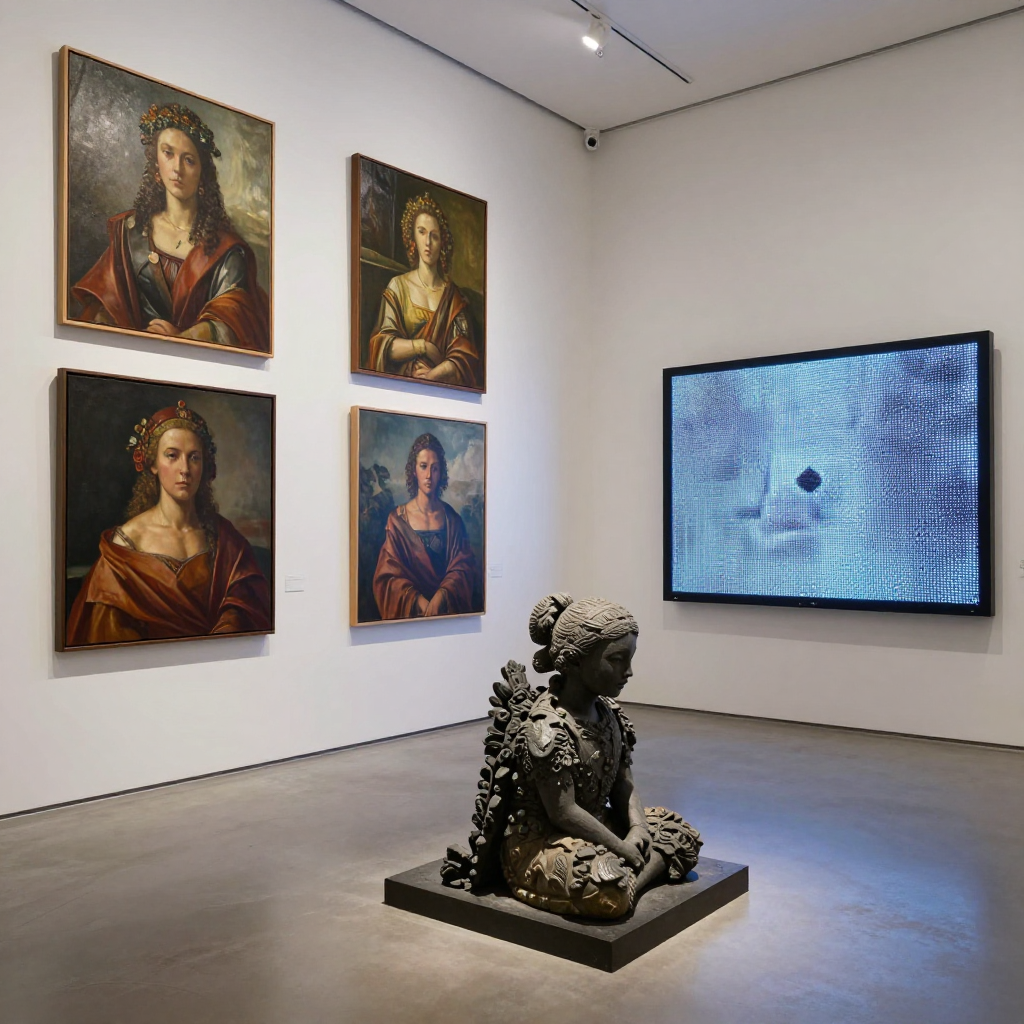
Traditional fine art and digital art can be presented together when curators explain their materials, context, and viewing conditions rather than treating one as a replacement for the other. Physical, digital, and hybrid works each create different relationships between object, artist, space, and audience.
A painting has a material surface, dimensions, conservation needs, and a physical history. A digital artwork may depend on software, display calibration, file formats, or interaction. A hybrid work could pair a sculptural object with an animated projection, or connect a physical print to an NFT that documents a limited edition.
Galleries can bridge these formats through careful interpretation. Labels might identify the artist’s medium, the role of code or hardware, the edition structure, and the intended installation. A digital work should receive the same curatorial attention as a canvas: why was it made, what does its form communicate, and how does its setting affect interpretation?
Display choices also matter. A bright monitor placed beside delicate works on paper may create glare and disrupt the room’s rhythm. Conversely, isolating digital art in a technical-looking space can make it seem less connected to broader art history. Thoughtful lighting, headphones, screen placement, accessibility features, and visitor time all shape the experience.
Benefits and Challenges for Artists, Galleries, and Collectors
Technology creates new opportunities for artists, galleries, and collectors, but it also brings practical risks involving value, access, preservation, energy use, and market instability. The right question is not whether technology is good or bad; it is whether a specific tool serves the artwork and the people encountering it.
Opportunities
- Artists: Digital tools support new forms, remote collaboration, interactive work, and direct audience engagement. NFTs may help document editions and automate certain contractual payments.
- Galleries: Virtual exhibitions, online viewing rooms, and digital catalogues can extend a gallery’s educational reach and introduce new artists to international audiences.
- Collectors: Digital collecting can offer access to works that require less physical storage and may include evolving, time-based, or participatory experiences.
Challenges
Valuation remains difficult because digital art markets can move quickly and public sales data may encourage speculation. A visible price is not the same as a reliable measure of artistic importance. Collectors should examine the artist’s practice, edition terms, exhibition history, technical requirements, and long-term preservation plan.
Accessibility is another concern. Wallet setup, platform accounts, cryptocurrency transactions, and technical language can exclude interested audiences. Galleries can reduce this barrier by offering clear explanations, conventional payment options where possible, and non-technical ways to experience the artwork.
Preservation requires active planning. A gallery may need to maintain software, hardware, passwords, file formats, and installation instructions. Environmental considerations also deserve nuance: blockchain networks differ in how they operate, and the energy profile of minting or transacting depends on the network and usage. Responsible institutions should verify current technical information rather than repeat broad claims.
The central trade-off is clear: choosing digital distribution for reach and flexibility means accepting dependence on infrastructure. That dependence can be managed, but it cannot be ignored.
The Role of Blockchain, Smart Contracts, and Provenance
Blockchain can support provenance by recording transactions in a tamper-resistant public ledger, while smart contracts can automate agreed actions such as transfers or artist royalty mechanisms. These tools improve documentation, but they do not independently verify that a seller is authorized or that an artwork is authentic.
Provenance traditionally follows an artwork’s ownership history through invoices, catalogues, exhibition records, certificates, and institutional archives. A blockchain record can add a durable timestamp and transaction trail. The strongest system combines both digital and human evidence: artist confirmation, gallery records, edition documentation, and a clear description of rights.
Smart contracts are software programs that execute specified rules on a blockchain. In art, they may define edition numbers, transfer conditions, or a mechanism intended to send a percentage of a secondary sale to an artist. The practical result depends on the marketplace, contract design, applicable law, and whether the platform honors the arrangement. A smart contract should therefore supplement a written agreement, not replace legal clarity.
Authentication also requires care. A token can be minted by someone who has copied an image or falsely claimed to represent an artist. Galleries should verify identity, authorization, metadata, and the relationship between the token and the actual artwork before presenting it to collectors.
Beyond NFTs: The Future of Technology in the Art World
The future of technology in the art world is likely to involve a mix of virtual exhibitions, augmented reality, artificial intelligence, immersive environments, and improved digital archives. These developments will matter most when they deepen artistic experience or access rather than adding novelty for its own sake.
Virtual exhibitions can allow visitors to explore a curated environment from home, study works at different scales, and access audio or scholarly material. They remain limited by screen size, internet quality, and the absence of physical presence. For some works, virtual presentation is an extension; for others, it is only a reference point.
Augmented reality can place digital sculpture, animation, or interpretive layers within a gallery or public space. Artificial intelligence may assist with image generation, restoration research, cataloguing, or interactive installations. Each application raises questions about authorship, training data, consent, bias, labor, and the difference between tool use and artistic agency.
Immersive rooms, spatial audio, motion tracking, and responsive environments can make the viewer part of the work. They also create preservation problems because hardware becomes obsolete and interactive behavior can be difficult to document. Galleries should record installation specifications, software versions, source files, and fallback modes from the outset.
How Galleries Can Navigate the Changing Art Landscape
Galleries can navigate technological change by starting with artistic purpose, documenting rights carefully, training audiences, and building preservation plans before adopting new platforms. A measured approach protects trust while allowing experimentation.
- Define the artistic reason. Ask what the technology enables that another medium cannot. If the answer is unclear, the tool may be distracting from the work.
- Map the ownership and rights. Record the artist, edition, copyright position, display license, resale terms, token address if relevant, and any dependencies on external platforms.
- Use layered interpretation. Provide a simple visitor explanation, a detailed technical note, and deeper curatorial material for collectors and researchers.
- Plan for continuity. Keep high-quality master files, installation instructions, hardware specifications, backups, and migration notes. Test the work before every exhibition.
- Evaluate the audience experience. Measure practical signals such as completion rates for virtual tours, visitor questions, accessibility feedback, and repeat engagement rather than relying only on sales.
Training matters as much as infrastructure. Staff should understand what an NFT represents, how provenance is documented, which rights a collector receives, and where uncertainty remains. Transparent language builds stronger relationships than technical confidence without clear answers.
Frequently Asked Questions
What is an NFT in the context of fine art?
An NFT is a unique blockchain record associated with a digital artwork, edition, or related claim. It can document a transaction or collectible relationship, but it does not automatically transfer copyright or guarantee authenticity.
How do NFTs affect art ownership and provenance?
NFTs can create a visible transaction history that supports provenance. Ownership still depends on the terms of sale, and authenticity requires verifying that the token was issued by the artist or an authorized representative.
Can traditional galleries exhibit and sell digital art?
Yes. Galleries can exhibit digital art through screens, projection, installations, virtual exhibitions, or hybrid displays, provided they explain technical requirements, licensing, edition details, and preservation responsibilities.
What are the main risks of collecting NFT art?
Risks include market volatility, impersonation and fraud, lost wallet access, unclear copyright, platform dependence, changing software, and difficulties preserving the work. Collectors should research the artist, token history, rights, and storage arrangements.
What technologies may influence fine art beyond NFTs?
Virtual and augmented reality, artificial intelligence, immersive installations, generative systems, spatial audio, interactive sensors, and digital preservation tools may all influence future fine-art practice. Their value will depend on artistic purpose and responsible use.
The intersection of technology and fine art is best understood as an expanding set of possibilities rather than a single revolution. NFTs, blockchain, and smart contracts can strengthen records and create new channels for digital art, while virtual exhibitions and immersive media can broaden the ways audiences encounter creative work. The lasting foundation remains familiar: artists’ ideas, careful curation, trustworthy provenance, informed collecting, and meaningful experiences in front of the work.